Latvia announcing its ambitions in the area of business tourism
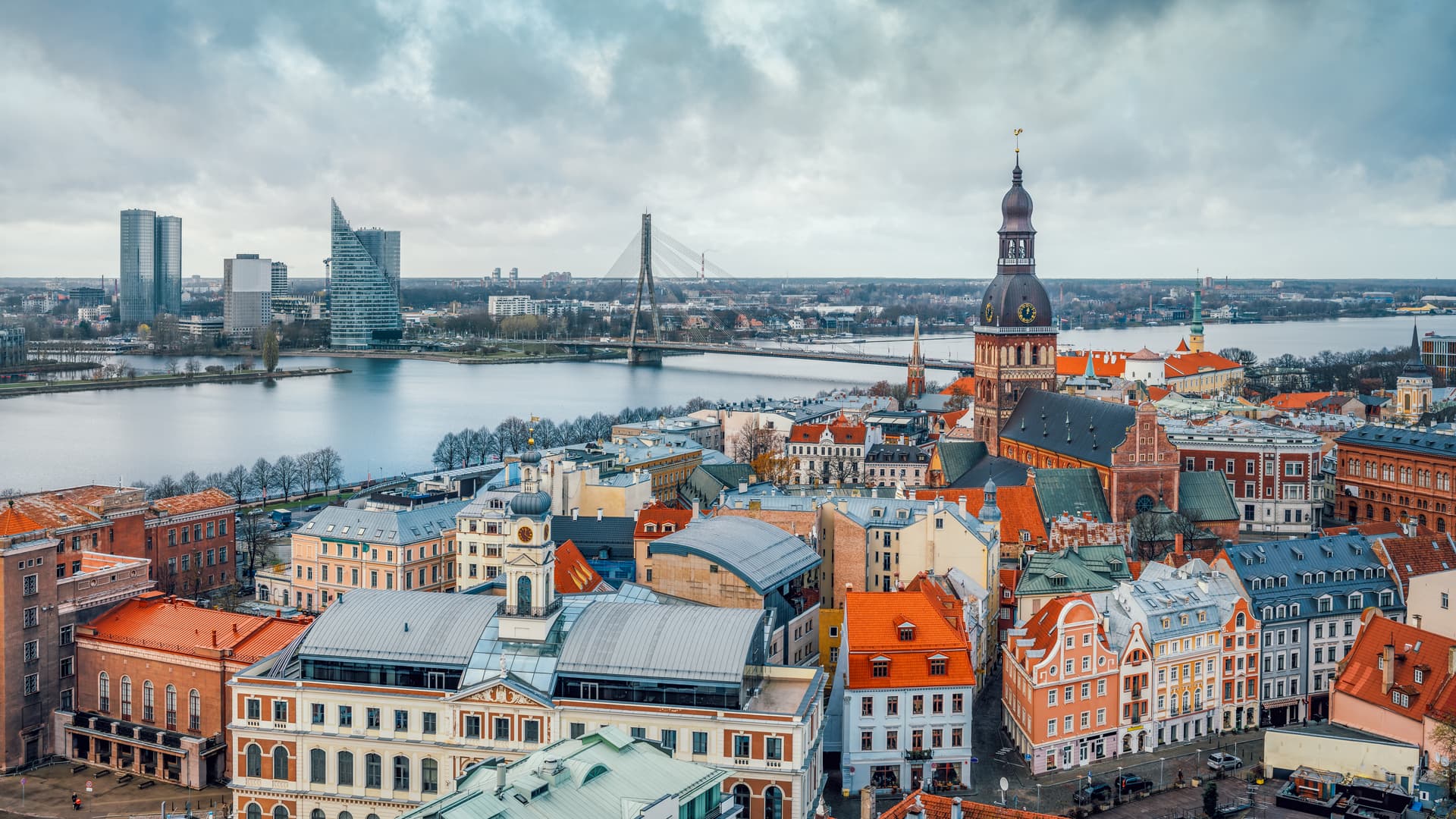
The Latvian business tourism, also known as MICE (Meetings, Incentives, Conferences, Exhibitions), industry is like a ship, which, having weathered the waves of the pandemic and the geopolitical storm, is now sailing ahead confidently and ambitiously towards new horizons. Riga, Jūrmala, Sigulda and other cities around Latvia are becoming increasingly compelling to international event organisers by offering not only a professional environment, but also a unique and memorable natural and cultural experience. While many challenges still exist, with its compactness, quality and creativity Latvia has established a firm position in the European business tourism market.
Following the complications arising from the pandemic and recent geopolitical shocks which have had a particular impact on the Eastern European region, the business tourism industry in Latvia is taking confident steps towards development. Šarlote Līduma, Senior Project Manager of the Tourism Export Services Department at the Investment and Development Agency of Latvia (LIAA), notes that the sector is demonstrating a positive trend: even though information about the size of events and number of visitors is often classified as confidential by the organisers, the growth of the sector is evidenced by general tourism statistics. According to data from the Central Statistical Bureau of Latvia, 1.6 million foreign guests were accommodated at hotels in Latvia in 2024, which is a 14% increase over 2023, and the number of overnight stays has increased by 10%. Business tourism, especially in Riga where 75% of all foreign visitors gather, accounts for a major part of this flow thus attesting to the leading role of the capital.
Latvia’s strengths: quality, compactness and natural charm
The MICE sector in Latvia is distinguished by its offer combining the charm of a European city, affordability and high-quality. Compared to other metropolises, such as Paris or London, Latvia offers competitive prices on conference venues, hotels and additional activities, whilst also providing professional service. “We offer a classically European environment for a friendly price,” Ms Līduma says, highlighting Latvia’s competitiveness. As the epicentre of business tourism Riga enamours with its diversity and accessibility – conference venues, hotels, the winding streets of Old Riga and the masterpieces of Art Nouveau architecture are all within walking distance of one another. Riga International Airport, just a 15–20-minute drive from the city centre, makes the city easily accessible, offering amenities that many other European cities cannot.
Latvia’s natural riches and temperate climate are also becoming increasingly important assets. With climate change making southern European summers unbearably hot, tourists, including business travellers, are increasingly turning to cooler destinations. Inese Šīrava, Deputy Director of the Export and Innovation Services Department at LIAA, says that the growing interest from Spain, Italy and France confirms the attractiveness of Latvia’s climate. The vastness of the Ķemeri Bog, the adventure trails of Sigulda and the tranquillity of Jūrmala resorts offer unique opportunities for incentive events that combine business and corporate goals with outdoor recreation.
The gastronomic offer is another highlight. The cooperation with the Michelin Restaurant Guide has taken Latvian cuisine to a new level, attracting high-end visitors. Jānis Jenzis, Head of the Latvian Restaurant Association, Head of Opera Hotel Riga and lecturer, says that this initiative has been one of the best investments in the tourism industry, as restaurants are already experiencing an increase in bookings and economic returns, which also has a positive impact on the business tourism experience.
Riga and the regions: the heart and soul of business tourism
Riga is the beating heart of Latvian business tourism, but Jūrmala, Sigulda and other Latvian cities also add bright colours to the industry’s palette. The elegance of Jūrmala, the spirit of adventure in Sigulda and the natural charm of Ķemeri Bog attract those who want to combine business with nature experiences. The event themes are as diverse as the Latvian landscape – from veterinary medicine and electrical engineering to drone manufacturing and climate change discussions, demonstrating Latvia’s ability to adapt its services to any industry.
One of the most notable recent events was the European Congress Association Forum held in Riga in March 2025. It brought together European conference and congress organisers, offering a platform for the exchange of experiences and reinforcing Latvia’s image as a reliable MICE destination. After the Forum, several international organisations decided to organise their next events in Riga. “Any foreign event that takes place in Latvia is a success story,” says Ms Līduma, stressing that each such event strengthens Latvia’s position, visibility and boosts economic activity.
The Investment and Development Agency of Latvia is also one of the institutions that significantly contributes to the growth of the business tourism industry through targeted activities. Active participation in international exhibitions allows LIAA to present Latvia as a modern and professional conference destination to a wide audience. FAM trips offer foreign event organisers the opportunity to assess the quality of Latvia’s infrastructure, hospitality and diverse offer first-hand. The annual Conference Ambassadors Forum, which highlights local companies and professionals whose work contributes to Latvia’s prestige abroad, is also noteworthy.
Challenges: geopolitics, seasonality and competition
Latvia’s road to the top of the MICE industry is not without obstacles. The geopolitical situation, in particular the war in Ukraine, raises security concerns that influence decisions on venues. “If there is a lack of clarity about security, people choose not to go,” says Jānis Jenzis, stressing that active communication is essential to position Latvia as a safe destination. Seasonality also remains a challenge: while Riga attracts visitors all year round, activity does still drop off in the autumn and winter months. Inga Korneliusa from the Radisson hotel chain points out that hosting international events in the off-season could balance tourist flows.
The future of business tourism in Latvia is full of opportunities. Cooperation with Lithuania and Estonia, for example through joint pavilions at events such as this year’s EXPO in Japan, is helping to promote the Baltic region as a single destination. Innovative tourism products, such as interactive cooking masterclasses or adventure itineraries, attract travellers looking for unique experiences. “Tourists want not only to see, but also to actively participate,” Ms Korneliusa says, highlighting the creativity of various Latvian travel agencies, which is also being recognised internationally.
Sustainability and a temperate climate are Latvia’s strategic strong suits. The growing interest from Spain (+109% tourist increase in 2024) and Canada (+118%) shows that Latvia can become an alternative to congested European destinations for business tourism. “Riga deserves to be among Europe’s leading event destinations,” Ms Korneliusa says, calling for investment in international visibility.

*Information material prepared with the support of the European Regional Development Fund