Cemety: a unique cemetery digitisation technology developed in Latvia with a high export potential
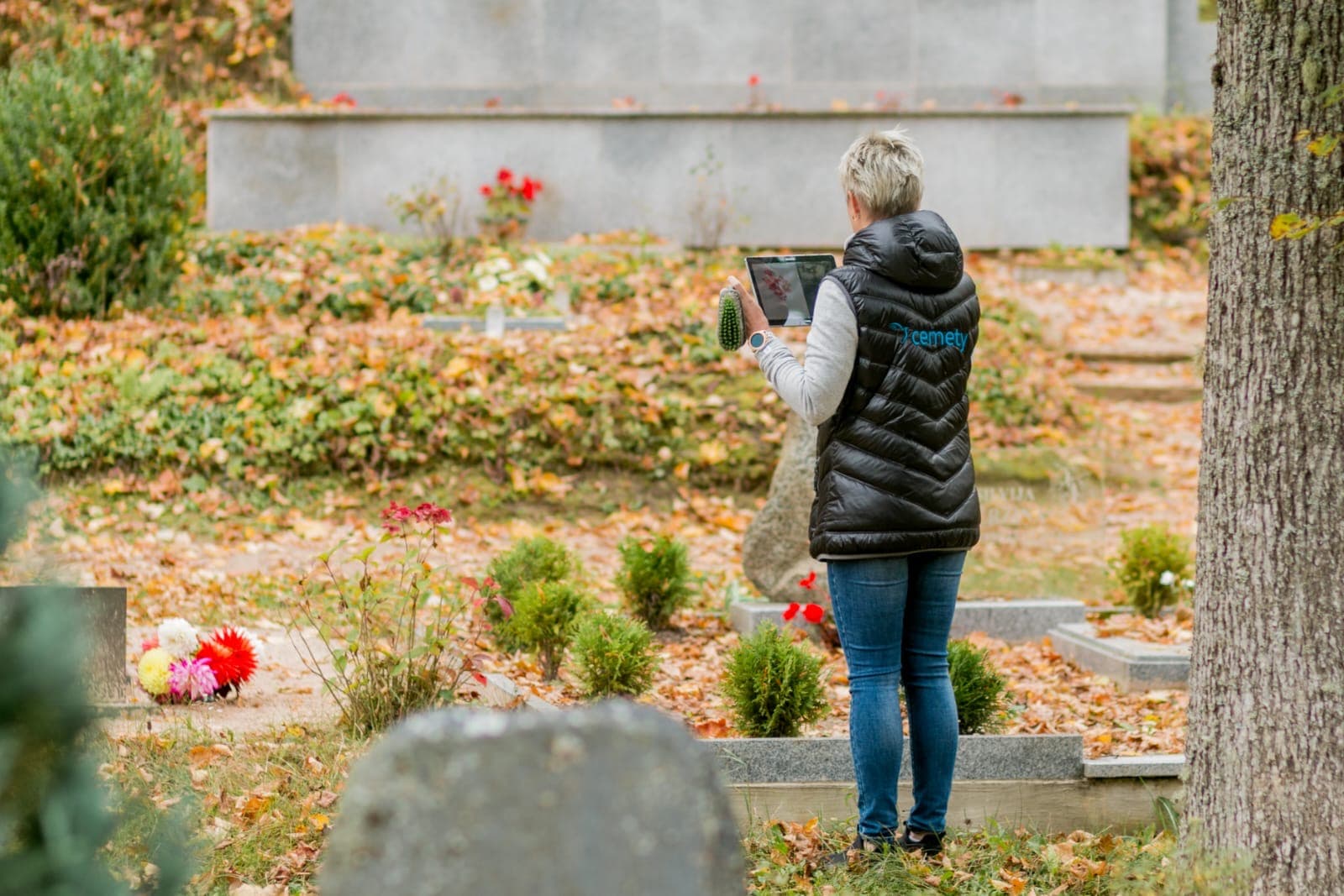
Company Cemety has developed an innovative system for digitising and managing cemetery information; the system has already been in use in Latvia and neighbouring Lithuania for many years. The multifunctional Cemety platform allows for not only the digitisation of cemeteries, but also the collection and storage of data on the interred, the creation of interactive cemetery maps and publication of all this information online. On the platform, you can easily look up specific graves and search for the final resting places of relatives if you do not have information, for example, you know the name of a relative, but not the cemetery or spot where they are laid to rest. Moreover, cemetery managers can efficiently manage the accounting and administration of their cemetery in digital format. Over the past several years, the company has been actively expanding its operations, with an increasing focus on entering the markets of other European countries, too.
So far, Cemety has digitised 559 cemeteries in Latvia, compiling data about more than 1 780 000 interred people, and 768 cemeteries in Lithuania with data about more than 1 228 000 burials. Overall, more than 1300 cemeteries throughout the Baltics have been digitised within the company’s system.
The system allows users to take a virtual walk through the digitised cemeteries and see detailed information about burials, view maps of cemeteries and photos of grave sites. This is a useful tool for researchers and people who are drawing their family trees, as well as those searching for relatives without specific knowledge of where they are buried. This is especially important for people living outside of Latvia and looking for their predecessors or people they know who have been laid to rest in the cemeteries of their homeland.

Unique opportunities and functionality
Miks Blate, one of the founders of Cemety, explains that the system is set up to be easy-to-use for anyone, regardless of their digital skills: “It lets cemetery managers easily manage information, record new burials, edit the digital map of their cemetery, and add on data about new burials. Moreover, they can add in infrastructure sites at the cemetery and store contracts, invoices and other documents related to the management of the cemetery.”
The platform also promotes user involvement as anyone can enter information about their relatives and supplement the existing data with biographic descriptions and photos. Due to this functionality, the system is constantly being improved and, over time, it will become a valuable historical resource. Thanks to the active involvement of users, the Cemety platform is becoming a rich source of information not only for researchers, but also a broader audience.
Export potential and growth abroad
The company Cemety has been actively working outside of Latvia for several years already. The company has been operating in Lithuania since 2017 with plans to digitise another 2000 cemeteries there over the course of the next two years. An innovative solution used in Lithuania is digitisation of cemeteries through use of drone technologies to provide birds-eye views of cemetery maps.
So far, negotiations about potential collaboration in cemetery digitisation have been conducted in Malta, Gerogia, France and other European countries. In their business development abroad, Cemety is using the franchise model, where they are bringing in local partners who will manage business development by using the solutions developed and experience accumulated by Cemety.
One of the company’s biggest projects has been implemented in the United Kingdom, where Cemety digitalised Brookwood Cemetery – one of the largest burial grounds in the UK where many Latvians have also been laid to rest. This collaboration turned out to be especially meaningful, as many Latvian war-time exiles and other notable public figures have been buried here. Thus, the platform not only helps preserve this historical heritage, but also helps people living abroad find information about their relatives.

A unique project in Sigulda
One of the latest and a unique project by Cemety was implemented in Sigulda Municipality where the company has digitised 18 soldier cemeteries and burial sites of soldiers from various countries who died during World War I and II. The project combined digital data with information provided by residents about burial grounds thus setting a unique example for how technology can be combined with historical research and social involvement.
CEO Miks Blate explains that in the coming years Cemety’s development plans will be aimed at improving functionality for users of the platform, as well as expanding the network of digitised cemeteries in Latvia and abroad. “Cemety not only simplifies cemetery management and improves their accessibility but is also becoming an important tool for historical preservation and recording people’s memories. We are committed to continuing to develop our solutions so that information about burial sites becomes ever more accessible and understandable to everyone and a useful tool for the average user, as well as cemetery managers in an increasing number of countries throughout Europe,” Mr Blate says.
Information material prepared with the support of the Recovery Fund.
